Choosing the Right Concrete for Your Project Needs
When planning a construction project, selecting the appropriate concrete type is crucial. The right choice ensures durability and safety, impacting your project’s success. With various types of concrete available, understanding their distinct properties can help you make an informed decision. In this guide, we’ll explore different concrete types to suit specific construction needs, helping you match them with your unique project requirements.
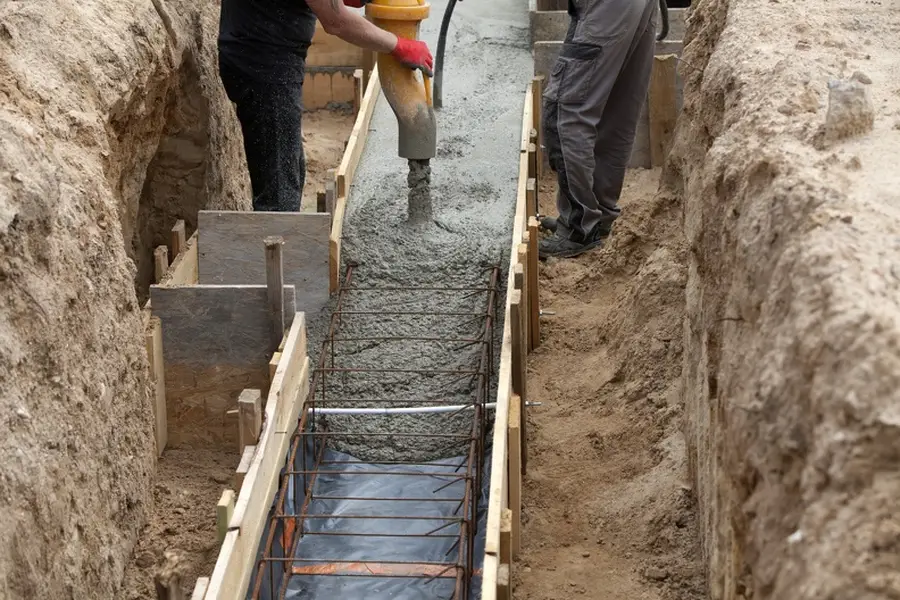
Benefits of Choosing the Right Concrete Type
Selecting the correct concrete type offers numerous benefits. It can enhance the longevity and performance of your structure while reducing maintenance costs over time. Moreover, the right choice contributes to environmental sustainability by minimizing waste and energy consumption during production. By assessing your project’s specific needs, you can ensure optimal use of resources and achieve desired results efficiently.
Challenges in Selecting Concrete Types
Choosing the right concrete type isn’t always straightforward. Factors such as climate conditions, load requirements, and aesthetic preferences add complexity to the decision-making process. Misjudging these elements can lead to premature wear or structural issues. Additionally, balancing cost with performance adds another layer of difficulty. Consulting with professionals or utilizing expert “concrete services” can aid in making an informed selection.
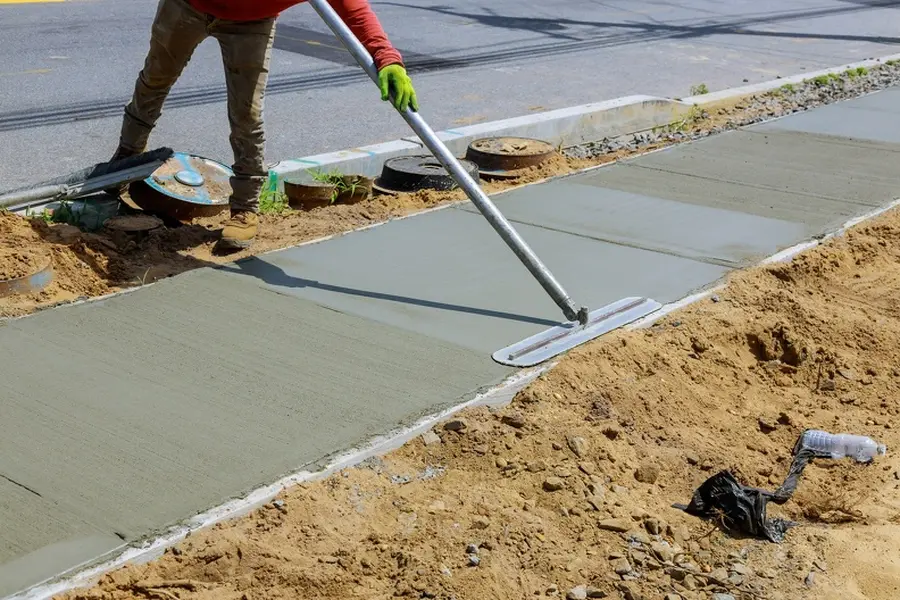
Understanding Different Concrete Types
Familiarizing yourself with various concrete types will enable you to choose wisely:
- Normal strength concrete: Best for pavements and buildings without high tensile strength requirements.
- High-performance concrete: Offers enhanced strength and durability, ideal for bridges and skyscrapers.
- Reinforced concrete: Commonly used in construction due to its superior tensile strength.
- Pervious concrete: Suitable for pavements where stormwater management is important.
Essential Tips for Concrete Selection
Consider these tips when choosing a concrete type:
- Identify your project’s requirements: Load-bearing capacity, exposure conditions, and aesthetic needs.
- Consult experts offering “concrete services” to gain insights into material suitability.
- Evaluate environmental factors: Climate influences on material performance are critical.
Industry Standards and Regulations
Compliance with industry standards ensures quality and safety. The American Concrete Institute (ACI) provides guidelines on mix design and construction practices. These standards ensure that concrete performs as expected under various conditions. Adhering to established regulations not only guarantees durability but also reduces liability risks related to non-compliance.
Cost Considerations for Concrete Use
The cost of concrete varies significantly depending on type and application. While high-performance options may seem expensive initially, they often provide better long-term value through reduced repair needs. Consider total lifecycle costs rather than just upfront expenses. Evaluate cost against benefits to determine the most economical choice for your project.
Your Guide to Successful Concrete Projects
Selecting the right concrete type is pivotal for any construction project. Ensure you make informed decisions by considering your project’s specifications, consulting professionals, and adhering to regulations. Located in Omaha, NE, we offer comprehensive support to meet all your construction needs. Contact Garcia's Landscaping & Construction Services LLC at (402) 256-0671 to discuss how we can assist with your specific requirements.